Rebuilding Self‑Trust: Listening to Your Body Again
Rebuilding Self‑Trust in a World That Keeps Telling You Not To
I’ve been thinking a lot about self‑trust lately.
How powerful it is.
How quiet it is.
How easy it is to lose.
And how life‑changing it feels when you start to find it again.
Because for so many of us, self‑trust was the first thing to go.
In the 80s and 90s, diet culture told us what to eat, how to shrink and how to be “good”.
Now we’re in the influencer era — collagen powders, protein targets, morning routines, “must‑do” workouts and endless wellness hacks.
We are bombarded with advice every single day.
And somehow, with all this information, we’ve never felt more lost, including me.
Women tell me all the time that they feel overwhelmed, confused and disconnected from their own bodies.
And honestly, I feel it too.
What if the thing we’re missing isn’t another plan, another fix or another expert?
What if it’s self‑trust.
What if the real work is learning to hear ourselves again.
When You’re Doing Everything “Right” and Still Exhausted
This whole blog was sparked by a comment one of my followers left on a recent post. She said:
“I’m doing it all — the cold-water showers, exercising, walking, running, eating good nutritious foods — but I feel exhausted and drained. When I rest, I feel guilty for not doing anything.”
I felt that in my bones.
So many women are living this exact experience.
Doing all the “healthy” things.
Following all the advice.
Trying so hard to get it right.
And still feeling tired, overwhelmed and disconnected.
Because here’s the truth:
If your self‑care is built on pressure, guilt or perfectionism, it stops being care.
My response to her was simple:
Give yourself permission to have a rest day.
Book it into your calendar as a self‑care appointment.
Not a failure.
Not laziness.
Not falling behind.
A choice to honour your body.
Rest is not the opposite of progress.
Rest is part of progress.
Even in Gut Health Workshops, Self‑Trust Keeps Appearing
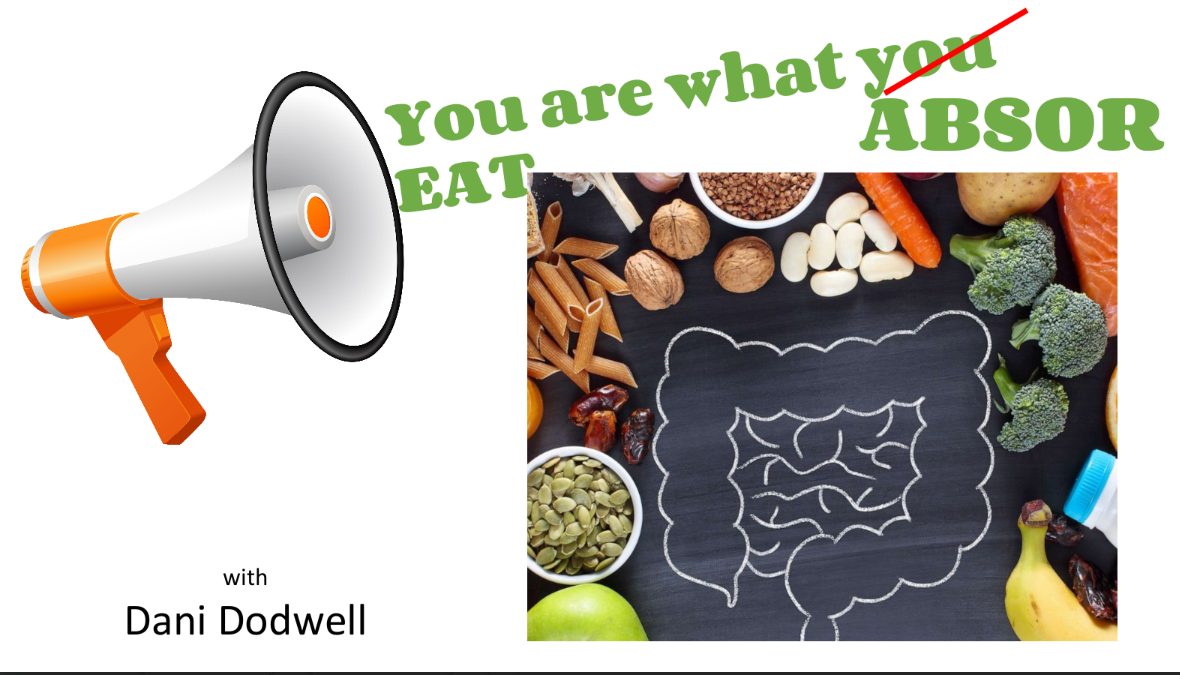
I did my gut health presentation with the menopause group yesterday and my end slide was about self‑trust:
“We have lost self‑trust in our bodies.
Learn to trust and listen to your body; feel the signals and respond with patience.”
Then I added:
“A Journey, Not a Quick Fix.
Gut health takes time and patience. It is not done by simply popping supplements — it's about small, right steps for you.
Everyone is different; listen to your unique signals.
Focus on progress, not perfection.”
Because even in a session about gut health, what women are really craving is permission to trust themselves again.
Gut health, menopause, intuitive eating, nervous system support — they all come back to the same foundation:
You have to trust your own body enough to listen.
When Tracking Your Health Starts to Hurt Your Health
If you’ve followed me for a while, you’ll know I eventually ditched my Fitbit.
At first it felt helpful — a little nudge to move more, sleep better, pay attention.
But slowly, without noticing, it started to rule my life.
I’d wake up frustrated if I didn’t get “enough” deep sleep.
I’d feel stressed if I didn’t hit the step count.
I’d push myself on days my body was clearly asking for rest, just to satisfy a number on my wrist.
It became relentless.
And then one day the watch broke… and I didn’t replace it.
That moment — choosing not to buy another one — was one of the first tiny acts of self‑trust I’d made in a long time.
I realised I didn’t want a device telling me whether I’d slept well, moved enough, or “earned” rest.
I wanted to learn how to hear my body again.
The Quiet Truth About Self‑Trust
Self‑trust sounds simple until you try to actually do it.
Most of us have spent our whole lives outsourcing our inner knowing to anyone who seemed to know better.
Teachers. Parents. Diet books. Wellness influencers. “Experts” online.
We’ve become so good at reading everyone else’s needs that our own barely register.
I’ve been actively working on centring myself for a while now and honestly, it’s uncomfortable.
Some days I feel selfish.
Some days I feel unsure.
Some days I feel like I’m doing it wrong.
But if I’m not making decisions that take my own wants and needs into account, who else will?
Self‑trust isn’t built in one big brave moment.
It’s built in tiny ones — the kind that feel almost too small to matter.
Responding to your body’s signals straight away, instead of delaying them because you don’t want to inconvenience anyone.
Saying “I’m hungry” before you talk yourself out of it.
Asking for a moment alone.
Saying no without over‑explaining.
Choosing rest before you hit the wall.
These moments are small but they are the foundation of everything.
The World Teaches Us to Override Ourselves
Your body has been sending you signals your whole life.
But the world has been just as loud in telling you not to trust them.
Diet culture taught us to ignore hunger.
Hustle culture taught us to ignore exhaustion.
Influencer culture teaches us to ignore our intuition in favour of whatever is trending.
Eventually, it can feel like the signals stopped coming altogether.
They didn’t.
You just got really, really good at not hearing them.
This is something I explore more deeply in my intuitive eating blog — how we slowly lose the ability to recognise hunger, fullness and preference, and how gently we can rebuild that connection again.
What If You Started Listening Again
What if you paused before eating and asked,
What actually sounds good?
What if you said “I need a break” before you hit burnout?
What if you trusted the feeling in your chest that says
This doesn’t feel right for me.
What if you let yourself want what you want, without apology.
What if you stopped chasing the quick fix — the perfect body, the perfect routine, the perfect health hack — and instead asked your body what it needs today.
Not forever.
Not for the next 12 weeks.
Just today.
Glimmers: The Doorway Back to Yourself
Finding glimmers — those tiny moments of ease, joy or relief — is another way back to self‑trust.
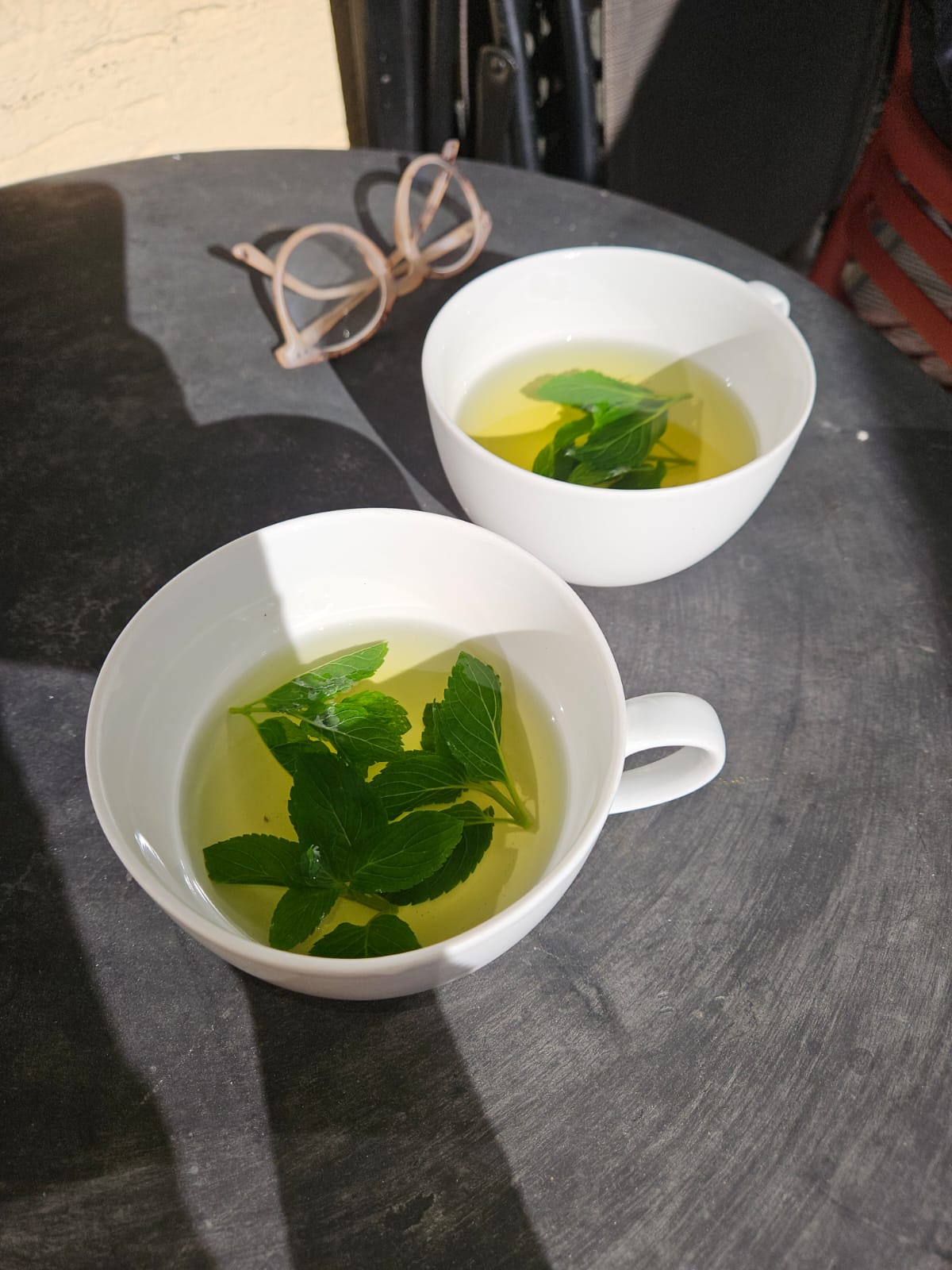
A warm cup of tea.
A quiet morning.
A walk without your phone.
A deep breath before reacting.
A moment where your shoulders drop without you forcing them.
Glimmers remind you that your body does know what safety feels like.
It does know what yes feels like.
It does know what no feels like.
You just need space to notice.
Gentle Ways to Rebuild Self‑Trust
• Before you eat, pause and ask what you actually want — not what you “should” have.
• Say “I’m hungry” out loud. Naming it is powerful.
• Notice one thing your body is asking for that isn’t food — rest, quiet, movement, air.
• Let yourself say no without a long explanation.
• Let yourself say yes without guilt.
• Ask for something you need, even if it feels uncomfortable.
• Give yourself a moment alone before you say yes to anything.
Step 1 is asking and listening.
Step 2 is acting on what you heard.
You don’t need to master both at once.
Just start with listening.
Brick by brick, you start to hear yourself again.
And once you do, everything changes.
Lisa Kilgour's book 'Undieting' has helped me a lot in this journey.
FAQ
Why do I struggle to trust myself?
Many women lose self‑trust because of years of diet culture, people‑pleasing and constantly being told what they “should” do. Rebuilding self‑trust starts with small daily choices that honour your needs.
How do I start listening to my body again?
Begin with simple pauses: before eating, before saying yes, before pushing through tiredness. Ask what you actually need in that moment.
What are glimmers and how do they help?
Glimmers are small moments of ease or joy that help your nervous system feel safe. They make it easier to recognise your own signals and rebuild self‑trust.
How does intuitive eating help with self‑trust?
Intuitive eating teaches you to reconnect with hunger, fullness, satisfaction and body cues — all of which strengthen your ability to trust yourself again.